In an era when many artists reshape their identity to appeal to global audiences, Diljit Dosanjh has followed a remarkably different path. Rather than changing his language, appearance or cultural identity, he has carried Punjab with him wherever he performs. Whether standing before thousands at international music festivals or appearing on some of the world’s most prestigious red carpets, Diljit has remained unmistakably Punjabi.
His signature turban, Punjabi language and deep connection with his homeland have become defining elements of a career that now enjoys recognition far beyond India. Instead of adapting himself to fit international expectations, he has helped international audiences embrace Punjabi culture on its own terms.
Advertisement
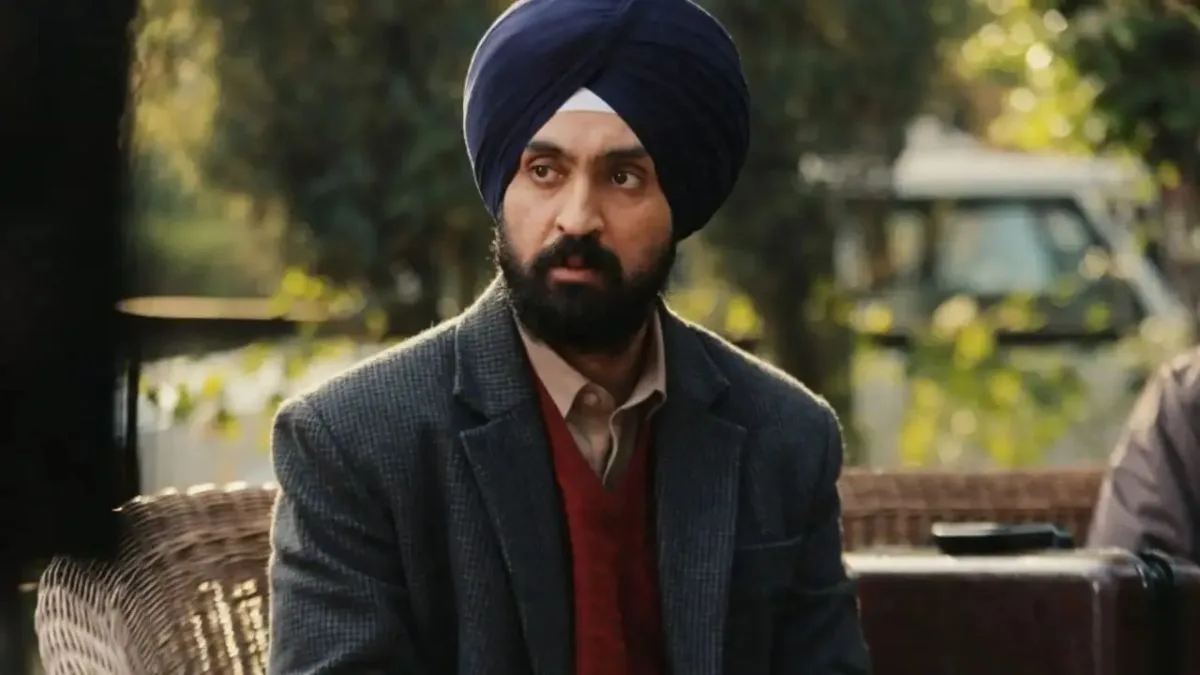
The latest debate surrounding his film ‘Satluj‘, previously known as ‘Punjab ’95‘, has once again highlighted that Diljit is not only an entertainer but also an artist willing to engage with complex chapters of Punjab’s history. The film, inspired by the life of human rights activist Jaswant Singh Khalra, briefly appeared on an OTT platform before becoming unavailable in India, reigniting discussions on artistic expression, historical narratives and digital distribution.
The controversy has also drawn attention to a pattern visible throughout Diljit’s acting career. Time and again, he has chosen projects that explore sensitive social and historical subjects instead of relying solely on commercial entertainers.
One of the earliest examples was ‘Udta Punjab’, where he portrayed a police officer confronting Punjab’s drug crisis. The film itself became the centre of an intense public debate over censorship even before audiences could watch it.
He later appeared in ‘Jogi‘, a story set against the backdrop of the 1984 anti-Sikh violence, portraying a man risking everything to save innocent lives during one of India’s darkest periods. The film earned appreciation for focusing on humanity amid communal unrest.
His performance in ‘Amar Singh Chamkila‘ presented another challenging subject. Rather than avoiding controversy surrounding the legendary Punjabi singer, the film attempted to examine the life of an artist whose popularity and criticism existed side by side.
The discussion surrounding ‘Satluj continues that trend. Regardless of differing opinions on the film, it reinforces Diljit’s willingness to tell stories rooted in Punjab’s social and historical realities, even when those subjects invite debate.
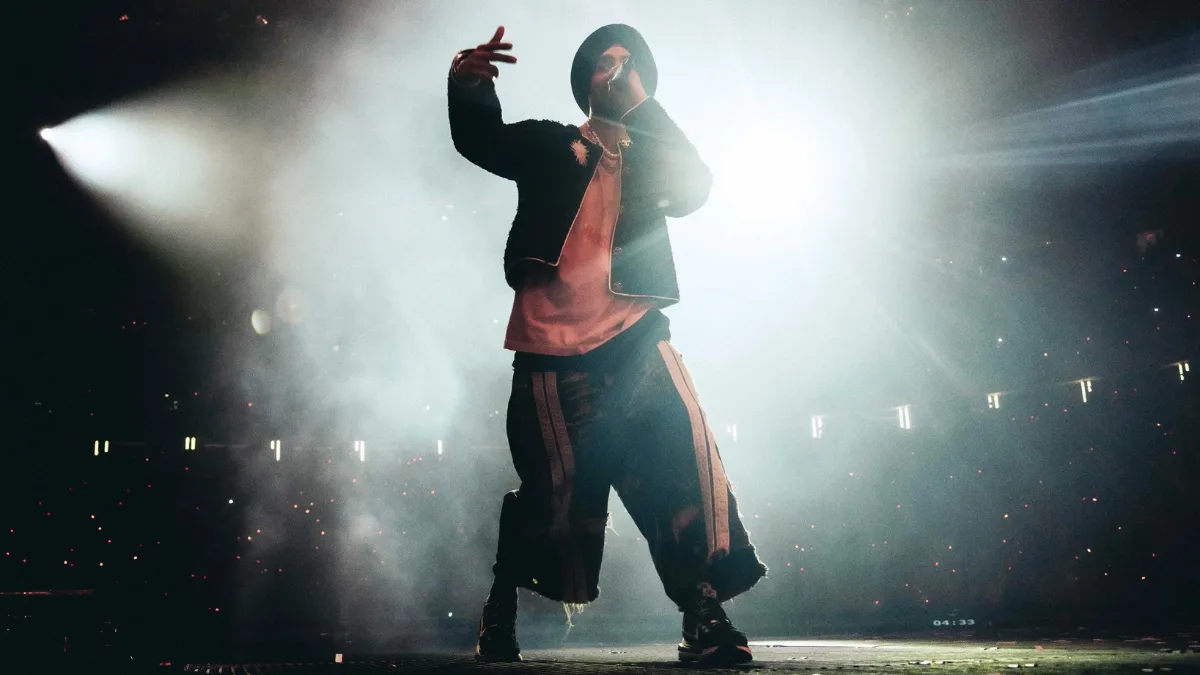
While his cinema reflects serious themes, his music career has simultaneously expanded Punjabi culture’s global reach. His performance at the Coachella Valley Music and Arts Festival marked a historic milestone, making him one of the first Punjabi performers to command one of the world’s biggest music stages while singing primarily in Punjabi.
His appearance at the Met Gala further demonstrated how regional identity can become an international statement. Drawing inspiration from the royal heritage of Patiala rather than following conventional Western fashion, Diljit transformed a global fashion event into a celebration of Punjabi history and tradition.
Beyond these headline-making appearances, his concerts across North America, Europe and Australia continue to attract packed audiences, illustrating how Punjabi music now resonates well beyond its traditional audience. Many attendees may not understand every lyric, yet they connect with the energy, authenticity and cultural confidence his performances project.
Perhaps the most distinctive aspect of Diljit’s journey is that international success has never required him to abandon his roots. He continues to communicate primarily in Punjabi, frequently wears traditional attire and openly celebrates the culture that shaped him.
At a time when global recognition often encourages cultural compromise, Diljit Dosanjh has demonstrated another possibility, that an artist can achieve worldwide success by remaining deeply connected to their own language, traditions and identity. His career increasingly suggests that authenticity itself can become a universal language, allowing a regional voice to find listeners across continents.